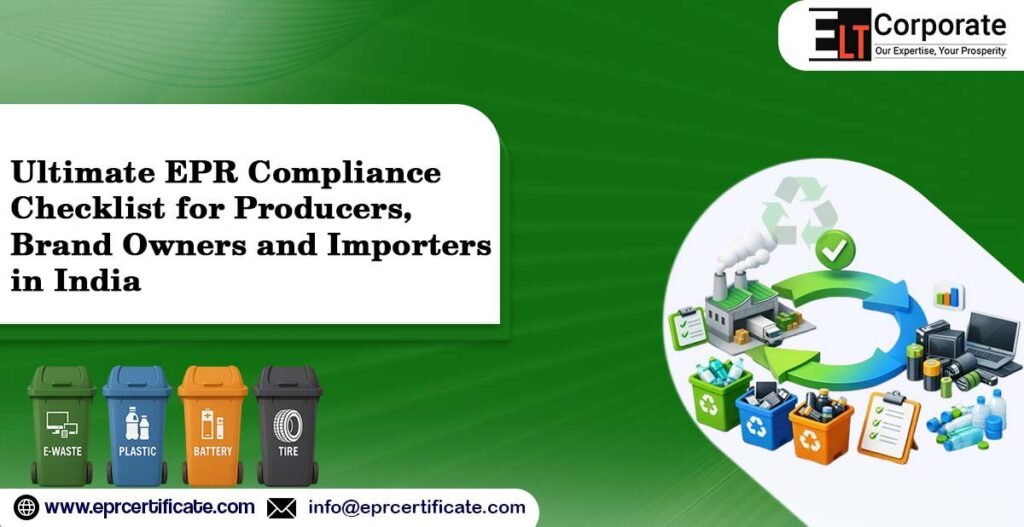

Extended Producer Responsibility (EPR) is a mandatory compliance obligation that was put forth by the government of India to ensure that waste material produced because of products can be properly collected and processed for recycling purposes, and all these must happen with a focus and emphasis on environmental responsibility. It makes all producers, importers, and brand owners responsible for managing products at the end-of-life stage when they are introduced into the Indian market.
If your business involves the distribution or use of electrical and electronic equipment or plastic packaging, simply acquiring an EPR Certificate online is just the beginning. After acquiring the certificate, your business is mandated by the law to make an EPR return at stated levels. These returns become documents that evidence the quantity of wastes produced by your firm as well as how these wastes are handled responsibly through recyclers.
The companies that may have already registered under e-waste EPR and also registered under plastic EPR need help understanding the process of return filing. The companies may encounter difficulties regarding time, required documents, reporting formats, and submissions through the online portals, especially when it is the first time they do this work. The process of return filing under EPR is explained in this document so that novices may also easily understand it.
Types of EPR Annual Returns & Compliance in India
| EPR Category | Applicable Rules | Basis of Obligation | Return Filing Deadline |
| Plastic Waste EPR | Plastic Waste Management Rules | Quantity of plastic packaging placed in the market | June 30 |
| E-Waste EPR | E-Waste Management Rules, 2022 | Past sales and average product life | June 30 |
| Battery Waste EPR | Battery Waste Management Rules, 2022 | Current year market placement | June 30 |
| Waste Tyre EPR | Hazardous and Other Wastes Management Rules | Previous year production or imports | June 30 |
Benefits and Importance of Filing EPR Returns
The process of submitting an EPR return is far from being just an administrative procedure. It is one of the most important steps regarding your legal compliance.
On-time filing of the EPR return helps ensure that your EPR registration remains active. This is because the government uses the EPR return to determine whether or not organizations are eligible for the process of collecting and recycling their wastes. Therefore, you avoid inspections, notices, and fines.
From a business perspective, timely EPR return filing:
- Confirms ongoing compliance with environmental laws
- Prevents suspension or cancellation of EPR registration
- Avoids environmental compensation charges
- Supports smooth renewal of EPR approvals
- Demonstrates environmental responsibility to customers and partners
Moreover, accurate filing of tax returns also encourages proper tracking of waste and, culminarily, enables India to achieve waste management and recycling sustainably.
Eligibility Criteria
EPR return filing is mandatory for all entities registered under EPR regulations, regardless of business size or turnover.
Who Is Required to File EPR Returns?
Entities Covered Under E-Waste EPR Registration
- Manufacturers of electrical and electronic equipment
- Importers of electronic goods
- Brand owners selling electronic products under their own brand
- Refurbishers and dismantlers, where applicable
Entities Covered Under Plastic Waste EPR
- Producers of plastic raw materials
- Importers using plastic packaging
- Brand owners placing plastic-packaged goods in the market
- Plastic waste processors and recyclers
Basic Eligibility Conditions
To file an EPR return, the entity must:
- Hold a valid and active EPR registration
- Be registered on the official EPR portal
- Have sales, import, or production data for the reporting period
- Engage only authorised recyclers or waste processors
Even businesses with low sales volume are required to file returns once registered.
Required Documents and Prerequisites
Proper preparation of documents and data is essential for smooth EPR return filing.
Mandatory Documents and Information
- EPR registration number and certificate copy
- Sales or import data for the reporting period
- Product-wise or packaging-wise quantity details
- Details of authorised recyclers engaged
- Recycling or processing certificates issued by recyclers
- GST invoices related to sales and waste management activities
Technical Prerequisites
- Active login credentials for the EPR portal
- Data prepared in the prescribed reporting format
- Internal reconciliation between sales data and recycling certificates
Maintaining organised records throughout the year makes return filing significantly easier.
Validity
EPR Returns do not possess a separate validity period. They must be submitted as per the timeline provisions prescribed in the respective EPR Regulations.
Reporting Cycles –
E-waste EPR return: Usually an annual return that is required
Waste disposal EPR returns: Annual returns / Quarterly returns depending on type & notifications
If the return submissions are not made within the stipulated timeframe, there could be consequences such as suspension of EPR registration.
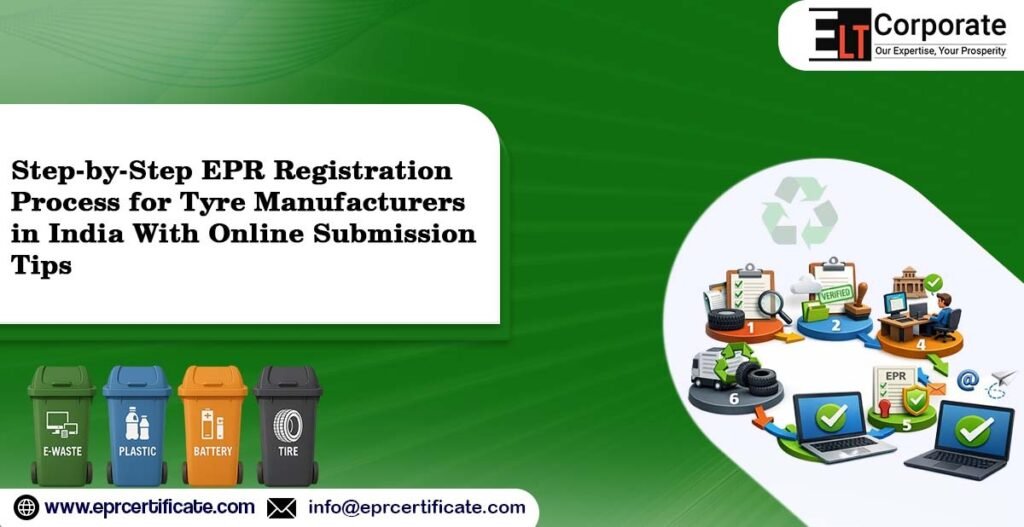
Step-by-Step Process to File EPR Return Online
Step 1: Accessing the EPR Portal
You need to log in to the EPR dashboard, which can be accessed through the official EPR online reporting portal handled by the Central Pollution Control Board using the details of your user name and password.
Step 2: Choose the relevant category for EPR
Please select if the return relates to:
- E-waste Compliance, or
- Plastic waste regulation
Ensure that the right financial year or period is chosen before continuing.
Step 3: Enter Sales and Market Placement Data
Provide accurate details of:
- Quantity of products or packaging placed in the market
- Product category or packaging material type
- Relevant classification as per EPR rules
This data forms the basis for calculating your EPR obligation.
Step 4: Upload Recycler and Waste Processing Details
Enter details of authorised recyclers, including:
- Recycler registration details
- Quantity of waste processed
- Upload of recycling or processing certificates
Ensure that the quantities reported match the certificates issued by recyclers.
Step 5: Review the Return Carefully
Before submission, review all entered data to check for:
- Numerical errors
- Category mismatches
- Missing documents
Errors at this stage may lead to rejection or future compliance issues.
Step 6: Submit and Save Acknowledgement
After that, download the receipt for the acknowledgement and keep it for audits as well as renewal.
Common Mistakes to Avoid
Several compliance issues arise due to avoidable mistakes during return filing, such as:
- Incorrect reporting of quantities
- Delay in filing beyond the due date
- Selection of incorrect product or packaging categories
- Engagement of unauthorised recyclers
- Uploading incomplete or invalid recycling certificates
- Mismatch between sales data and recycler documentation
Regular internal checks and professional review can help prevent these errors.
What Happens If You Ignore EPR Return Filing?
Non-compliance with EPR return filing can result in severe repercussions.
The authorities can also charge environment compensation fees for non-compliance. The firms can also receive a show-notice or can have their EPR registration suspended or cancelled. In some cases, the matter can proceed to the courts for the case to be settled.
When a company fails to comply, it may affect its business and the sale of its products. If a company continues not to file its tax returns, it may also impact future registration and approvals.
Penalties for Non-Compliance with EPR Annual Returns in India
All EPR annual returns for plastic, e-waste, battery, and tyre waste must be filed by June 30. Missing this deadline can lead to financial, operational, and legal consequences.
Environmental Compensation (EC)
EC is the primary penalty and is calculated based on unmet EPR targets, duration of non-compliance, and waste category. Penalties increase with delay and scale.
| Business Size | Violation Period | Indicative Penalty |
| Small | ~3 months | ₹5 -10 lakhs |
| Medium | ~1 year | ₹50 lakhs – ₹1 crore |
| Large | 2+ years | ₹2 -10 crores |
Operational Restrictions
Authorities may suspend manufacturing, block imports, or restrict business licences, leading to revenue loss and supply chain disruption.
Legal Action
Persistent non-compliance may attract penalties under the Environment (Protection) Act, 1986, including fines or imprisonment.
The Cost Involved
There is no government fee for filing EPR annual returns on the CPCB portal. However, businesses must consider the following costs:
Government / Regulatory Costs
- ₹0 filing fee for EPR annual returns
- Environmental Compensation (if applicable):
Levied only in case of delay, shortfall, or non-compliance, and varies based on waste type, quantity, and duration of default
Compliance & Operational Costs
- Cost of purchasing EPR certificates from authorised recyclers (mandatory to meet targets)
- Internal data compilation and documentation costs
Professional / Service Fees
- Compliance support and return filing services
- Recycler coordination and certificate mapping
- Handling notices, corrections, or delayed filings
Actual costs depend on business size, waste volume, and the EPR category (plastic, e-waste, battery, or tyres).
How ELT Can Help You?
ELT provides support to businesses at every stage of handling ePR compliance. It includes preparing data related to sales as well as waste, along with complying with approved recyclers and finally submitting the return as per time limits, under either e-waste ePR or plastic waste EPR schemes.
Our team also works to minimize mistakes, deal with deadlines, and tackle regulatory needs effectively, ensuring that companies stay within regulations without much paperwork.
Conclusion
Filing EPR returns is an obligatory task for companies that are registered under waste management rules in India. After acquiring an EPR online certificate, it is a crucial task to file EPR returns on a regular basis so that you do not face any hindrances in conducting your business.
With the right understanding and following proper action and organization of documentation, the return filing under EPR can be accomplished easily. The involvement of professionals would further eliminate potential risks.
Frequently Asked Questions (FAQs)
- What is an EPR return?
An EPR return is a compliance report submitted by registered entities on the sales of products, the generation of waste, and the recycling undertaken. - Is EPR return filing mandatory after registration?
Yes, once registered under EPR, the filing of returns is mandatory. - How frequent are e-waste EPR returns?
E-Waste EPR Return filing is typically an annual process. - Which entities are required to submit returns on plastic waste EPR?
Producers, importers, brand owners, and plastic waste processors involved in plastic packaging must file returns. - What if there are delays in filing EPR Returns?
Inadequate filings may sometimes also lead to delays in filings, which may attract penalties and/or suspension of registration.
![What Is EPR Annual Compliance? [Importance, Documents & Procedure]](https://eprcertificate.com/wp-content/uploads/2026/04/web-eprt-blog-1-1-300x155.jpg)
![What Is EPR Annual Compliance? [Importance, Documents & Procedure]](https://eprcertificate.com/wp-content/uploads/2026/03/web-eprt-blog-300x155.webp)