If you’re a producer, brand owner, or importer (PIBO) in India, understanding and fulfilling your Extended Producer Responsibility (EPR) obligations is not just a legal requirement; it’s crucial for your business’s future. India’s EPR market is rapidly expanding, with regulations constantly evolving for plastic, e-waste, batteries, and tires.
This ultimate EPR compliance checklist is your practical guide to staying compliant, avoiding hefty penalties, and contributing to a sustainable future. We’ll break down everything you need to know, from registration to reporting, making the process clear and actionable.
Why EPR Compliance Matters for Your Business?
EPR compliance offers more than just avoiding legal trouble. It’s a strategic advantage. By adhering to EPR norms, your business enhances its brand reputation, attracting environmentally conscious consumers and investors.
It also safeguards you from financial penalties, which can be significant, potentially reaching INR 10 million or more. Furthermore, it ensures your operations are resilient against regulatory changes, fostering long-term stability and responsible growth in the Indian market.
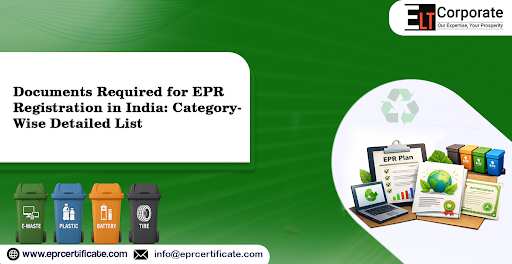
Required Documents for EPR Registration
Before you begin your EPR journey, gather these essential documents. Having them ready will streamline your registration process significantly.
- PAN Card of the Company/Proprietor
- GST Certificate
- Aadhar Card of Authorized Signatory
- Import Export Code (IEC) (for importers)
- Company Registration Certificate (e.g., MOA, AOA)
- Balance Sheets for the last three years
- Proof of Business Address
- Details of Waste Generation/Product Sales Data
- Details of authorized recyclers/PROs (if already identified)
Validity of EPR Authorization
Once you secure your EPR authorization from the Central Pollution Control Board (CPCB), it typically remains valid for a period of five years. It’s crucial to remember that this authorization isn’t permanent.
You must initiate the renewal process well in advance of its expiry to ensure continuous compliance. Failing to renew on time can lead to a lapse in your authorization and potential non-compliance penalties.
Your Ultimate EPR Compliance Checklist: A Step-by-Step Procedure
This comprehensive EPR compliance checklist outlines the crucial steps PIBOs must follow for seamless adherence to India’s environmental regulations.
Phase 1: Registration & Authorization
- Determine Your Applicability: Identify if you are a Producer, Importer, or Brand Owner (PIBO) and for which waste stream (plastic, e-waste, battery, tire).
2. Gather Required Documents: Collect all necessary company and product-related documents as listed above. - CPCB EPR Portal Registration: Register your business on the respective CPCB EPR portal (e.g., eprplastic.cpcb.gov.in) and submit your application in the prescribed format (e.g., Form-I for plastic).
- Obtain EPR Authorization: Await approval from the CPCB, which will grant your EPR authorization.
Phase 2: Target Setting & Obligation Fulfillment
- Calculate EPR Targets: Accurately determine your annual EPR targets based on your sales data from previous years and the specific rules for your waste category.
2. Develop an EPR Action Plan: Outline how you will meet your targets, including collection mechanisms and recycling channels. - Engage with Authorized Recyclers/PROs: Partner with CPCB-registered recyclers or Producer Responsibility Organizations (PROs) through formal agreements to manage your waste.
- Procure EPR Certificates/Credits: Obtain valid EPR certificates from your chosen recyclers/PROs as proof of fulfilling your recycling obligations.
Phase 3: Documentation & Reporting
- Maintain Detailed Records: Keep meticulous records of all waste generated, collected, recycled, and the corresponding EPR certificates.
- File Quarterly Returns: Submit periodic returns (e.g., quarterly for plastic) on the CPCB portal, detailing your progress against targets.
- Submit Annual Returns: File comprehensive annual reports summarizing your entire year’s EPR activities and achievements by the specified deadlines.
- Prepare for Audits: Be ready for potential inspections or audits by regulatory bodies to verify your compliance records and processes.
Phase 4: Continuous Compliance & Improvement
- Stay Updated: Regularly monitor CPCB and MoEFCC notifications for any changes or amendments to EPR rules.
- Internal Training: Conduct internal training for your team to ensure everyone understands their role in maintaining compliance.
- Optimize Processes: Continuously look for ways to improve your waste management and recycling processes for greater efficiency.
Common Mistakes to Avoid
Staying compliant means more than just following steps; it means avoiding common pitfalls. Here’s a checklist to help you steer clear of frequent errors:
- Inaccurate Target Calculation: Ensure your EPR targets are precisely calculated based on the latest guidelines to prevent under-declaration or over-commitment.
- Unverified Recyclers/PROs: Always confirm that your partners are genuinely CPCB authorized to avoid invalid certificates and compliance issues.
- Missing Deadlines: Keep a strict calendar for all quarterly and annual return filings; late submissions can lead to penalties.
- Incomplete Documentation: Maintain thorough and organized records for every aspect of your EPR journey to pass any audits smoothly.
- Underestimating Scope: Recognize that EPR is an ongoing process requiring continuous effort, not a one-time registration.
What Happens If You Ignore EPR Compliance?
Ignoring your Extended Producer Responsibility obligations in India carries severe consequences that can significantly impact your business. The CPCB takes non-compliance very seriously, imposing substantial penalties.
Beyond monetary fines, your company faces severe reputational damage, eroding customer trust and brand loyalty. Legal actions, operational disruptions, and even suspension from the CPCB portal are real risks, potentially halting your business operations entirely.
The Cost Involved in EPR Compliance
The costs associated with EPR compliance can vary widely depending on your waste stream, volume, and chosen strategy. Here’s a rough breakdown of potential expenses:
| Cost Category | Rough Range (INR) | Description |
| EPR Registration Fees | Minimal to Moderate | Official application fees to CPCB (can vary by category). |
| Consulting Services | Moderate to High | Fees for expert guidance, documentation, and strategizing. |
| PRO Services/Recycling Costs | Significant (based on volume) | Charges for waste collection, processing, and EPR certificate procurement. |
| Audit & Verification | Moderate | Costs for third-party audits or internal compliance checks. |
These are approximate ranges; actual costs will depend on your specific business profile and market conditions. Investing in compliance is investing in your business’s future.
How ELT Corporate Pvt. Ltd. Can Help You?
Navigating the complexities of EPR compliance can be daunting, but you don’t have to do it alone. ELT Corporate Pvt. Ltd. specializes in simplifying your EPR journey, offering end-to-end solutions tailored to your unique needs.
We provide expert assistance with CPCB registration, accurate target calculation, and strategic partnerships with authorized recyclers and PROs. Our team ensures your documentation is flawless, your returns are filed on time, and you remain updated on all regulatory changes.
Partner with ELT Corporate Pvt. Ltd. to achieve seamless compliance, reduce your operational burden, and protect your business from potential risks. Let us be your trusted guide in fulfilling your environmental responsibilities.
Conclusion: Your Path to Seamless EPR Compliance
EPR compliance in India is a dynamic and essential aspect of modern business. By following this comprehensive checklist, you can confidently navigate the regulatory landscape, fulfilling your obligations as a responsible PIBO.
Remember, proactive compliance protects your business from penalties and enhances your brand’s commitment to sustainability. Don’t wait for deadlines to loom; start your compliance journey today.
Ready to simplify your EPR compliance? Download our detailed EPR Compliance Checklist or contact us for a personalized consultation.
FAQs
Q1: As an importer of electronics, how do I accurately determine my EPR target for e-waste and avoid over/under-declaration?
Your e-waste EPR target is calculated based on the quantity of electrical and electronic equipment (EEE) you placed on the market in previous financial years. The CPCB provides specific guidelines and multiplication factors for different categories of EEE. Refer to the E Waste (Management) Rules and the CPCB portal for precise methodology and reporting forms to ensure accuracy.
Q2: What are the most common mistakes businesses make when registering for EPR on the CPCB portal, and how can I ensure my application is approved smoothly?
Common mistakes include incomplete documentation, incorrect product categorization, inaccurate sales data, and missing agreements with authorized recyclers/PROs. To ensure smooth approval, double-check all submitted information, ensure documents are legible, and confirm that your EPR plan aligns with CPCB guidelines before submission. Engaging an expert can help prevent these errors.
Q3: How can I verify if a Producer Responsibility Organization (PRO) or recycler is genuinely CPCB-authorized and reliable, to avoid compliance issues down the line?
Always verify their authorization directly on the official CPCB website, which maintains a list of registered PROs and recyclers. Request to see their valid CPCB registration certificate and check their track record. Look for transparent reporting and clear contractual terms to ensure their reliability and avoid future compliance issues.
Q4: Beyond the initial registration, what ongoing documentation and reporting are absolutely essential to maintain continuous EPR compliance and pass potential audits?
To maintain continuous compliance, it’s essential to diligently maintain records of all EPR certificates purchased, agreements with recyclers/PROs, and internal waste generation data. Regularly file your quarterly and annual returns on the CPCB portal as per the specified deadlines. These robust records are vital for successfully passing any regulatory audits.
Q5: If my business is small or new to India, are there any exemptions or simplified EPR compliance pathways available to reduce the initial burden?
Currently, the EPR rules generally apply to all PIBOs regardless of size, with specific thresholds or exemptions being rare for core obligations. However, the CPCB may provide specific relaxations or simpler procedures for certain categories or micro-enterprises. It’s best to consult the latest CPCB guidelines or an EPR expert for advice tailored to your business’s specific situation.
![What Is EPR Annual Compliance? [Importance, Documents & Procedure]](https://eprcertificate.com/wp-content/uploads/2026/04/web-eprt-blog-1-1-300x155.jpg)
![What Is EPR Annual Compliance? [Importance, Documents & Procedure]](https://eprcertificate.com/wp-content/uploads/2026/03/web-eprt-blog-300x155.webp)