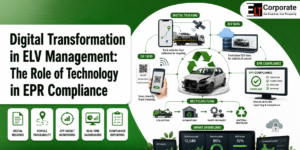
Waste management is no longer limited to collection, transportation and disposal. Today, technology is changing the way waste is tracked, processed, recycled and reported.
With the growth of Extended Producer Responsibility (EPR) in India, businesses are expected to take responsibility for the waste generated from their products and packaging. This includes plastic packaging, e-waste, batteries and waste tyres. CPCB has also developed online EPR portals for different waste categories to improve accountability, traceability and transparency.
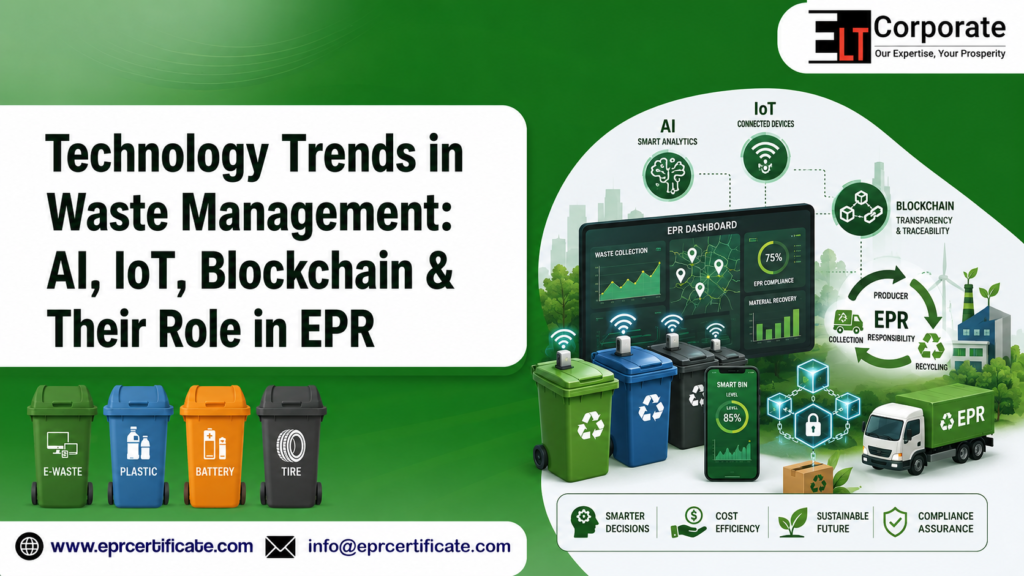
In this situation, technologies like Artificial Intelligence (AI), Internet of Things (IoT) and Blockchain can play a major role in making EPR compliance more accurate, transparent and efficient.
What is EPR in Waste Management?
Extended Producer Responsibility (EPR) means that producers, importers, brand owners and other obligated entities are responsible for managing the post-consumer waste generated from their products.
In India, EPR is applicable to several waste categories, including:
- Plastic packaging waste
- E-waste
- Battery waste
- Waste tyres
For example, the CPCB plastic EPR portal provides registration facilities for PIBOs and plastic waste processors, while the battery EPR portal covers registration of producers, recyclers and refurbishers under the Battery Waste Management Rules, 2022.
The main objective of EPR is to ensure:
- Proper collection of waste
- Scientific recycling or disposal
- Reduction of environmental pollution
- Better tracking of waste movement
- Responsible business practices
Why Technology is Important in EPR
EPR compliance depends heavily on data. Companies must maintain records of waste generation, collection, processing, recycling and certificate management.
Manual systems often create problems such as:
- Incorrect waste data
- Duplicate records
- Poor tracking of collection partners
- Difficulty in verifying recycler certificates
- Lack of real-time monitoring
- Compliance delays
Technology helps solve these issues by making the system more transparent, automated and traceable.
- Artificial Intelligence in Waste Management
Artificial Intelligence helps waste management companies and EPR-obligated entities make better decisions using data.
AI can identify patterns, predict waste generation and improve segregation. In recycling, computer vision and machine learning can help identify materials, classify waste and support automated sorting. Research in e-waste recycling has also explored deep learning for identifying components on printed circuit boards.
Role of AI in EPR
AI can support EPR compliance in many ways:
- Predicting future waste generation
- Identifying recyclable and non-recyclable waste
- Improving waste segregation accuracy
- Reducing manual errors in reporting
- Detecting unusual or doubtful waste data
- Supporting better route planning for collection
For example, a brand owner can use AI-based dashboards to estimate how much plastic packaging waste may be generated in a particular region. This helps in planning collection targets and recycler tie-ups.
Benefits of AI
- Faster decision-making
- Better compliance planning
- Reduced operational cost
- Improved recycling efficiency
- Better data accuracy
AI can make EPR less reactive and more planned.
- IoT in Waste Management
The Internet of Things, or IoT, connects physical devices with digital systems.
In waste management, IoT can be used in smart bins, GPS-enabled vehicles, waste collection sensors and recycling units. These devices collect real-time data and send it to a central dashboard.
Role of IoT in EPR
IoT helps businesses track waste movement from collection to processing.
It can be used for:
- Smart waste bins with fill-level sensors
- GPS tracking of waste collection vehicles
- Real-time monitoring of waste quantity
- Tracking collection from different locations
- Monitoring storage and processing facilities
- Reducing missed pickups
For EPR, this is very useful because companies need reliable proof of waste collection and processing.
Benefits of IoT
- Real-time waste monitoring
- Better collection efficiency
- Reduced fuel and transport cost
- Improved traceability
- Stronger audit records
IoT helps convert waste management from a manual process into a smart and measurable system.
- Blockchain in Waste Management
Blockchain is a digital record system where data cannot be easily changed once recorded.
In waste management, blockchain can be used to create a transparent record of waste collection, transportation, recycling and certificate generation.
Role of Blockchain in EPR
Blockchain can help create trust between producers, recyclers, processors, government authorities and auditors.
It can be used for:
- Tracking waste from source to recycler
- Preventing duplicate recycling certificates
- Maintaining tamper-proof records
- Verifying transactions between stakeholders
- Improving transparency in EPR credit systems
- Reducing fake documentation
For example, if plastic waste is collected from one city and sent to an authorized recycler, blockchain can record each stage of the journey. This creates a clear digital trail.
Benefits of Blockchain
- Better transparency
- Reduced fraud risk
- Stronger documentation
- Easier verification
- Better stakeholder trust
Blockchain can make EPR reporting more reliable and audit-friendly.
Technology Use in Different EPR Categories
Plastic Waste EPR
Technology can help PIBOs and plastic waste processors track collection, recycling and co-processing. The CPCB plastic packaging EPR portal itself highlights accountability, traceability and transparency as key purposes.
Useful technologies include:
- AI-based waste forecasting
- IoT-enabled collection tracking
- Blockchain-based recycling proof
- Digital dashboards for EPR target monitoring
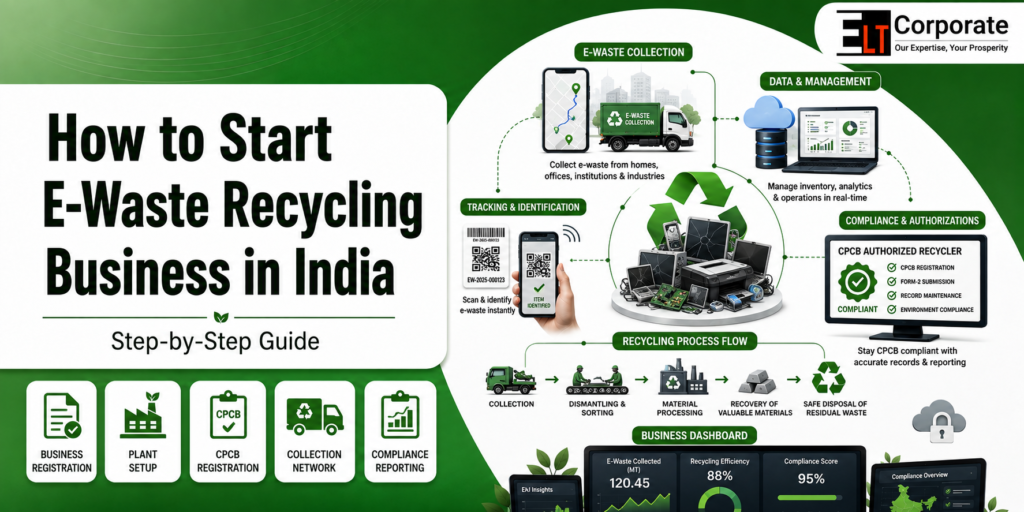
E-Waste EPR
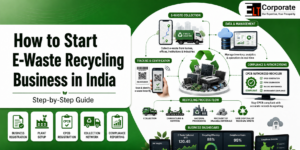
E-waste contains valuable and hazardous materials. Proper tracking is important to avoid unsafe dismantling and informal recycling.
The E-Waste Management System operates under the E-Waste Management Rules, 2022, and producers are required to comply through the EPR framework.
Technology can help in:
- Device-level tracking
- Collection point mapping
- Recycler verification
- Component recovery analysis
- Consumer awareness platforms
Battery Waste EPR
Battery waste requires proper handling because batteries may contain hazardous materials.
The CPCB battery portal is meant for registration of producers, recyclers and refurbishers under the Battery Waste Management Rules, 2022.
Technology can support:
- Battery collection tracking
- Recycler data verification
- Recovered material monitoring
- Safe disposal documentation
- Certificate management
Waste Tyre EPR
The CPCB waste tyre EPR portal requires stakeholders such as producers, recyclers and retreaders to register for waste tyre management.
Technology can help in:
- Tracking used tyre collection
- Monitoring recycling or retreading
- Preventing false processing claims
- Managing EPR obligations digitally
Key Benefits of Technology in EPR Compliance
Technology can make EPR systems more practical and result-oriented.
Main benefits include:
- Accurate data collection
- Better transparency
- Real-time tracking
- Reduced compliance errors
- Faster reporting
- Improved recycler coordination
- Better audit readiness
- Lower chances of fake documentation
- Stronger environmental impact tracking
For companies, this means better compliance confidence. For regulators, it means better monitoring and enforcement.
Challenges in Technology Adoption
Although technology is useful, businesses may face some challenges.
Common challenges include:
- High initial cost
- Lack of trained staff
- Data integration issues
- Poor digital records from vendors
- Limited technology adoption by small recyclers
- Cybersecurity and data privacy concerns
To overcome these challenges, companies should start with simple digital systems and gradually move toward advanced tools like AI, IoT and blockchain.
Future of EPR and Waste Management
The future of EPR will be more data-driven.
Businesses will not only have to collect and recycle waste, but also prove it with accurate records. Digital tracking, smart dashboards, automated reporting and verified recycling data will become more important.
AI will help in prediction and planning.
IoT will help in real-time tracking.
Blockchain will help in trust and verification.
Together, these technologies can make EPR compliance stronger, cleaner and more transparent.
Conclusion
Technology is becoming an important part of modern waste management. AI, IoT and blockchain can help businesses manage waste more efficiently and comply with EPR requirements in a better way.
For producers, importers, brand owners and recyclers, technology is not just an optional upgrade. It is becoming a practical tool for compliance, transparency and sustainability.
A strong technology-based EPR system can help reduce waste, improve recycling and support India’s move toward a circular economy.