Are you an importer bringing products into India and wondering about your environmental responsibilities? India’s Extended Producer Responsibility (EPR) regulations are designed to make producers, including importers, accountable for the entire lifecycle of their products, from manufacturing to disposal. This means as an importer, you play a crucial role in managing the waste your products generate. Understanding your **EPR obligations for importers** is not just about compliance; it’s about contributing to a sustainable future and protecting your business. This guide will walk you through the essential compliance duties, potential penalties, and best practices.
Why EPR Compliance Benefits Your Business
Complying with EPR Certificate goes beyond avoiding penalties. It builds trust with consumers who increasingly value eco-friendly brands. Meeting your EPR obligations helps protect your
brand’s reputation and can even open doors to new market segments. It also promotes resource efficiency and a circular economy within India.
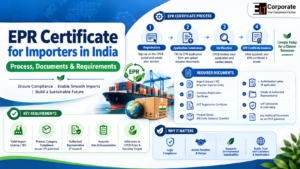
Key Documents Required for EPR Registration
To fulfill your EPR obligations as an importer, you’ll need to register with the Central Pollution Control Board (CPCB). Here are the essential documents you’ll typically need to prepare:
- PAN Card of the company/proprietor
- GST Certificate
- IEC (Importer Exporter Code) Certificate
- Registered office address proof
- Authorized signatory’s KYC documents
- Product details (type, quantity, material composition)
- Agreements with Producer Responsibility Organizations (PROs) or recyclers E-waste/Plastic/Battery waste management plan (as applicable)
Validity of Your EPR Authorisation
Once granted, an EPR authorisation or certificate is generally valid for a specific period, typically five years. It is crucial to monitor its expiry date and apply for renewal well in advance. Renewing on time ensures uninterrupted compliance and avoids any legal issues.
Your Step-by-Step EPR Compliance Journey
Navigating the EPR framework can seem complex, but it boils down to a few key steps:
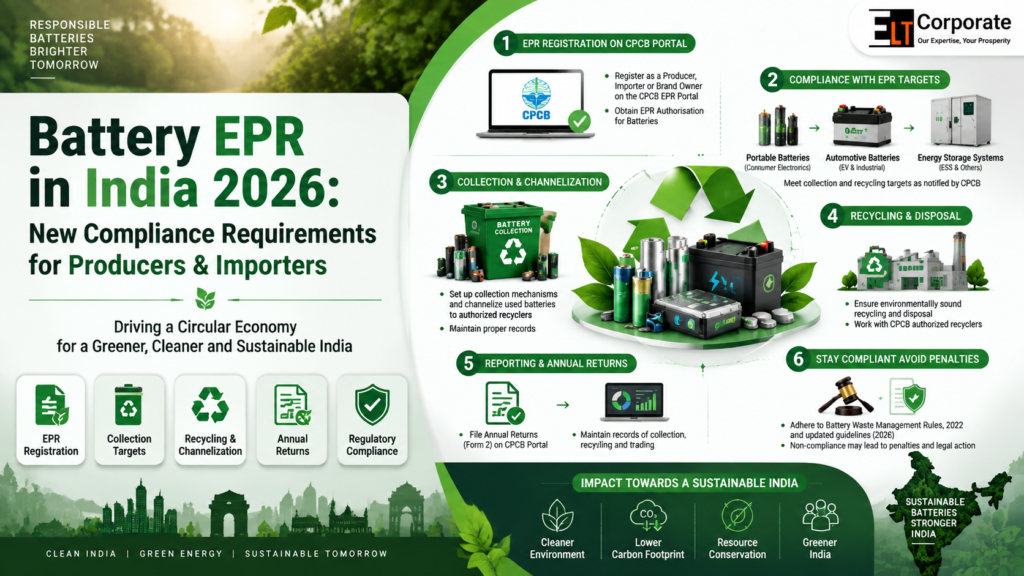
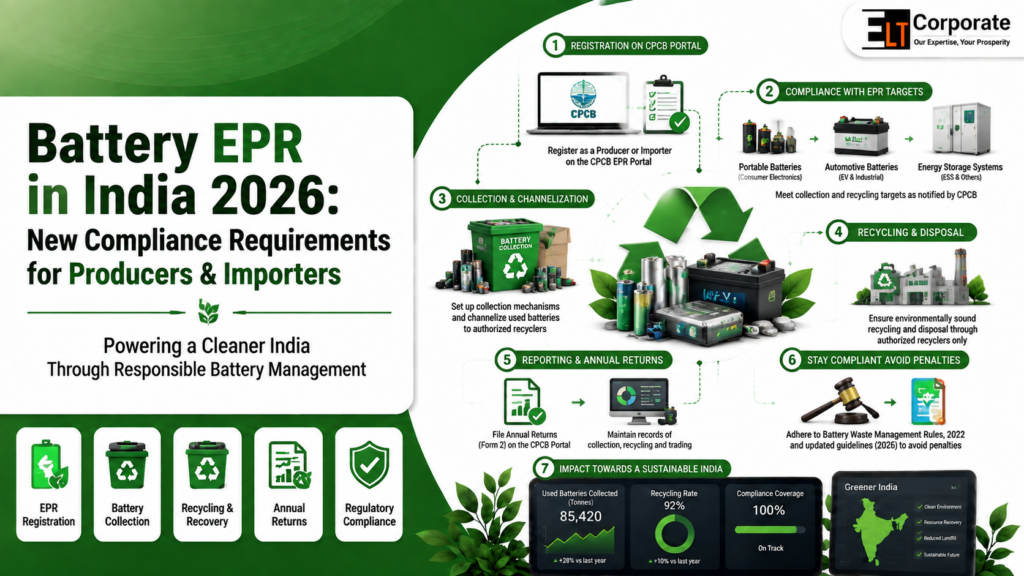
- CPCB Registration: The first step is to register on the CPCB online portal. You’ll submit all required documents and your proposed waste management plan.
- Setting Up Your EPR System: Importers typically partner with a Producer Responsibility Organization (PRO). A PRO helps you meet your collection and recycling targets by establishing collection centres and channels. Choosing a reputable PRO is vital for effective compliance.
- Data Management & Reporting: You must maintain meticulous records of your imported products and the waste collected and processed. Annual returns must be filed with the CPCB, detailing your compliance efforts.
- Authorization Renewal: As mentioned, keep track of your authorization’s validity and apply for timely renewal to maintain your compliance status.
Common Mistakes Importers Should Avoid
Even with good intentions, mistakes can happen. Here’s a checklist of common pitfalls to steer clear of:
- Ignoring Deadlines: Failing to register or file annual returns by the stipulated dates.
- Incomplete Documentation: Submitting inaccurate or missing documents during registration or reporting.
- Choosing Unreliable PROs: Partnering with unregistered or inefficient Producer Responsibility Organizations.
- Poor Record-Keeping: Not maintaining proper records of imported quantities, sales, and waste management activities.
- Lack of Awareness: Not staying updated with the latest amendments to EPR rules for various waste streams.
What Happens If You Ignore Your EPR Obligations?
Non-compliance with EPR regulations can lead to serious consequences. The CPCB can impose significant Environmental Compensation (EC) charges, which are substantial monetary fines. In severe cases, legal action, including imprisonment and hefty penalties, may be initiated under environmental protection laws. Beyond legal repercussions, non compliance can severely damage your brand’s reputation, disrupt your supply chain, and make it difficult to operate in the Indian market.
The Cost Involved in EPR Compliance
The cost of EPR compliance for importers varies based on product type, quantity, and waste stream. Here’s a rough breakdown of potential expenses:
| Cost Category | Rough Range (INR) |
| CPCB Registration Fees | Varies by product category and scale |
| PRO Service Charges | Depends on volume and type of waste (per Kg basis) |
| Recycling/Disposal Costs | Varies per Kg depending on material |
| Consultancy/Advisory Fees | Project-specific or annual retainers |
How ELT Corporate Pvt. Ltd. Can Help You
Navigating the intricacies of EPR compliance can be challenging. ELT Corporate Pvt. Ltd. specializes in simplifying this process for importers like you. We offer end-to-end support, from initial assessment and documentation to CPCB registration and ongoing compliance management. Our experts ensure you meet all your EPR obligations efficiently, helping you
avoid penalties and focus on your core business. Partner with us for hassle-free and effective EPR compliance.
Conclusion
Understanding and fulfilling your **EPR obligations for importers** is essential for any business operating in India. By proactively complying, you not only protect your business from legal and reputational risks but also contribute to a greener planet. Don’t let the complexities overwhelm you. Take the proactive step today to assess your obligations and seek expert guidance.
FAQs
Q1: As an importer, how do I determine if I am liable for EPR in India?
You are generally liable if you introduce products like e-waste, plastic packaging, batteries, or tires into the Indian market. This includes brand owners, manufacturers, and importers who sell products under their own brand or are the first point of sale.
Q2: What specific documents are required for EPR registration with CPCB for an importer?
Key documents include your PAN, GST, IEC, product details, and agreements with waste management partners like PROs. Ensuring all documents are accurate and complete is crucial for a smooth registration process.
Q3: How can an importer effectively manage multiple EPR obligations for different waste streams?
Managing multiple obligations requires a structured approach. Partnering with a competent PRO that handles various waste streams can simplify logistics. Maintaining detailed records and staying updated on specific rules for each waste type is also important.
Q4: What are the most common mistakes importers make regarding EPR compliance in India?
Common mistakes include missing registration deadlines, providing incomplete documentation, and failing to verify the legitimacy of their PROs. These errors can lead to penalties and compliance gaps.
Q5: How can I ensure that the Producer Responsibility Organization (PRO) or recycler I partner with is legitimate and reliable?
Always verify their CPCB/SPCB authorization and check their track record. Review their operational infrastructure, transparency in reporting, and client testimonials. A reliable PRO offers clear contractual terms and demonstrates consistent performance.